Your home's foundation. You probably don't think about it much, but it's literally holding your entire house up. Here in West Jordan, with our wild freeze-thaw cycles and sometimes tricky soil, understanding your concrete foundation is actually pretty important. I get a lot of questions about foundations, so I figured I'd answer some of the most common ones right here.
What's the difference between a slab, crawl space, and basement foundation?
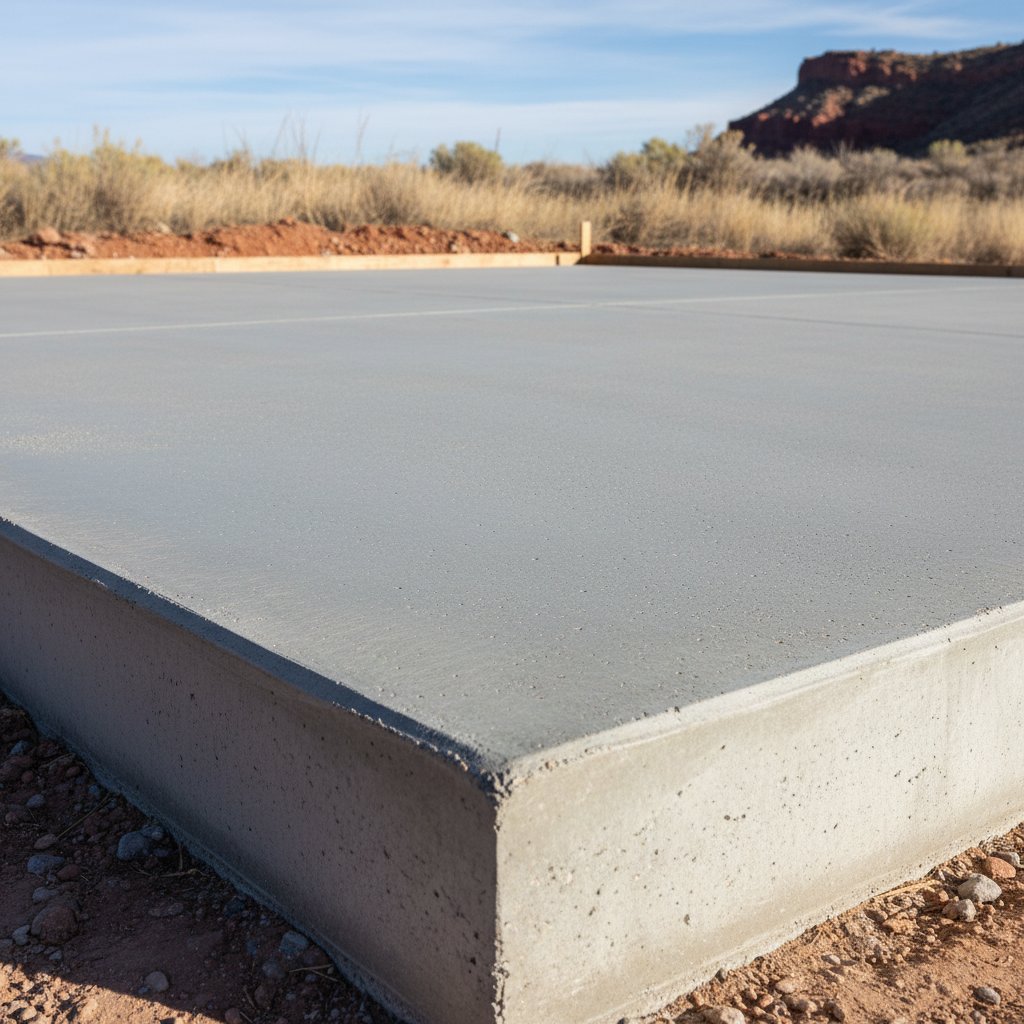
Okay, so these are the three main types you'll typically find around West Jordan. A slab foundation is exactly what it sounds like: a big, thick concrete slab poured right onto the ground. Builders usually reinforce it with rebar or post-tension cables. They're generally cheaper to build, and you won't have issues with critters or moisture that sometimes pop up in crawl spaces. The downside? If your plumbing runs under the slab, fixing a leak can be a real pain because you have to break through all that concrete.
A crawl space foundation means your house sits a foot or two off the ground, leaving a shallow area underneath. This gives you easier access to plumbing, wiring, and ductwork when repairs are needed. But, you absolutely have to make sure it's properly ventilated and sealed. Otherwise, you could end up with moisture problems, mold, or even unwelcome guests like rodents. Believe me, I've seen some pretty damp crawl spaces in older homes, especially around the Copper Hills area.
Then there's the basement foundation. Here, your foundation walls extend several feet below ground, creating a full-height, usable space. Basements offer extra living areas, plenty of storage, and can even be more energy efficient because the earth insulates them. They're the most expensive to build, and you've got to be extra careful with waterproofing to prevent leaks – especially with our spring run-off, right?
I see a small crack in my foundation. Should I panic?
Short answer? Probably not. Long answer? Well, it really depends on the crack. Hairline cracks, especially vertical ones, are super common in concrete. Concrete shrinks a bit as it dries, and sometimes you'll see these small, superficial cracks. They're usually just cosmetic and nothing to worry about structurally. I always tell folks to just keep an eye on 'em.
What you *do* need to worry about are horizontal cracks, stair-step cracks in block foundations, or cracks that are wider than a quarter-inch and seem to be growing. Also, if you notice cracks along with bowing walls, doors and windows that stick, or uneven floors, that's a big red flag. Those can signal serious structural issues, and you'll want a pro out there to take a look right away. Seriously, don't wait on those.
How long do concrete foundations typically last?
A well-built concrete foundation? It should last the lifetime of your house, easily 75-100 years, often even more. Concrete is incredibly durable. The key is